

Myths vs. Facts about Used Car Parts: What Every Car Owner Should Know
Replacing a damaged car component can be expensive, especially when a new part is not easily available. Used car parts offer another option, but questions about quality, compatibility, durability, and safety often make buyers hesitant.
The truth is that not all used parts are the same. Their condition, source, inspection history, and suitability for a particular vehicle determine whether they are worth considering. Let’s examine some common myths vs. facts about Used Car Parts.
1. Myth: All Used Car Parts Are Damaged or Worn Out
Fact: A used part is not necessarily a defective part.
Vehicles are often dismantled for reasons unrelated to the condition of every individual component. Parts recovered from accident-damaged, end-of-life, or non-running vehicles may still be serviceable.
What to check: Look for visible damage, corrosion, cracks, missing components, and signs of improper repairs. Ask about the part’s source and inspection status.
2. Myth: Used OEM Parts Are Not as Reliable as New Parts
Fact: Genuine used OEM parts can be a practical replacement option when their condition and compatibility are properly verified.
OEM parts are manufactured according to the vehicle manufacturer’s specifications. However, their reliability after previous use depends on wear, maintenance history, storage, and testing.
Expert tip: Check the OEM part number and compare it with your vehicle’s original component before purchasing.
3. Myth: Buying Used Car Parts Always Means Compromising on Quality
Fact: Quality depends on the individual component, not simply its previous ownership.
A carefully inspected used component may be suitable for reuse, while a poorly maintained or damaged part may not be worth purchasing.
What buyers should ask:
- Has the component been inspected?
- Are there any visible defects?
- Is its functionality verified?
- Is there a return or warranty policy?
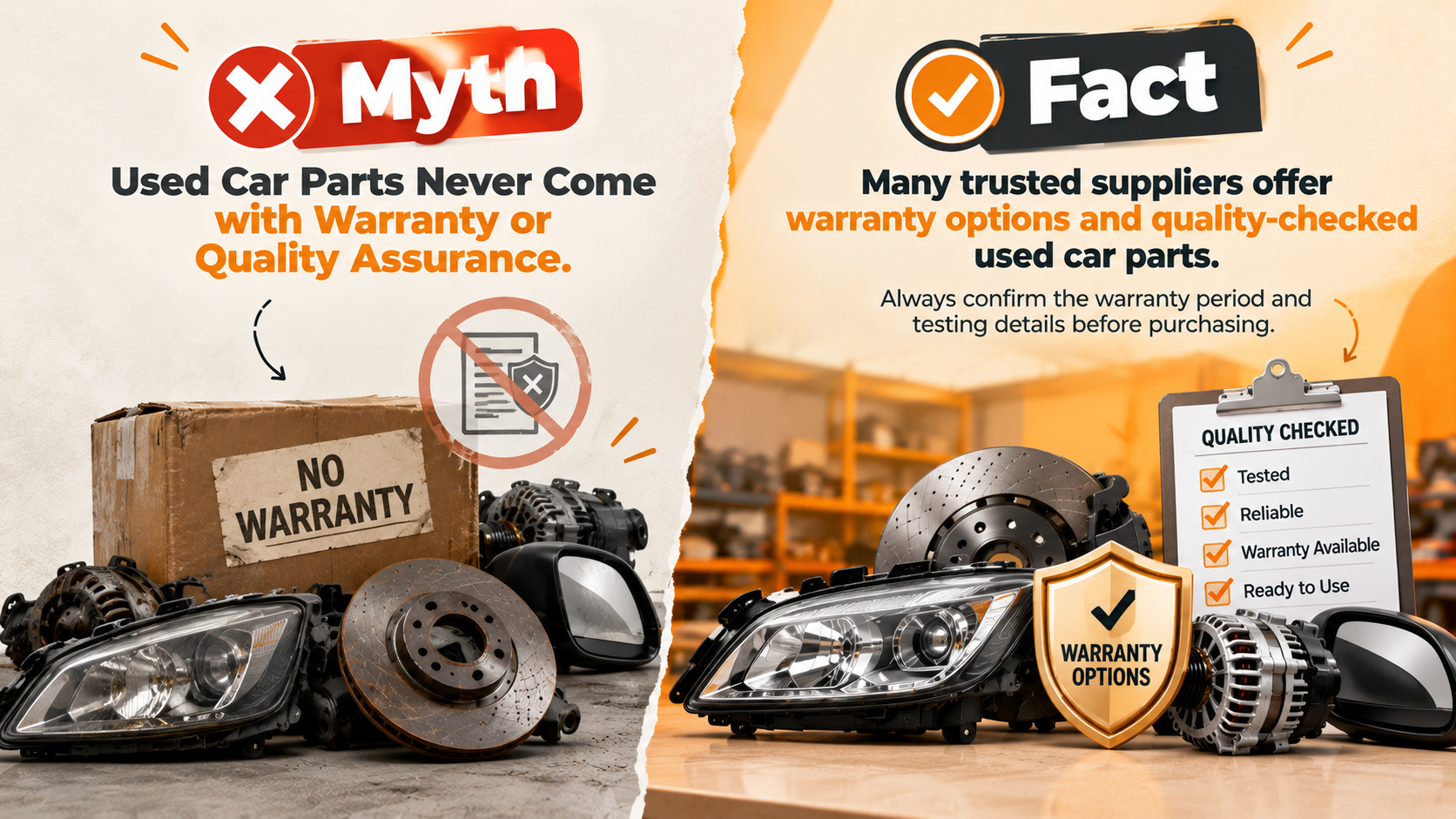
4. Myth: Used Car Parts Never Come with Warranty or Quality Assurance
Fact: Warranty and quality assurance depend on the seller and the type of component.
Some professional auto recyclers and used-parts suppliers provide limited warranties or return policies. Others sell components without coverage.
Before buying: Always request written details about warranty duration, exclusions, return conditions, and testing procedures.
5. Myth: Any Used Part That Fits Is Suitable for My Car
Fact: Physical fitment does not always mean technical compatibility.
Different vehicle variants, manufacturing years, engine configurations, and electronic systems can use different components, even when they look identical.
Expert tip: Verify the vehicle’s make, model, manufacturing year, variant, VIN where relevant, and OEM part number before ordering.
6. Myth: Used Parts Are Unsafe for Vehicle Repairs
Fact: Many automotive components can be reused safely when they are suitable for reuse and pass the required inspection.
However, not every component should be purchased second-hand. Airbags, seatbelt pretensioners, certain brake components, and other safety-critical parts require strict manufacturer and professional guidance.
Important: Never compromise on safety to reduce repair costs. Follow manufacturer recommendations and consult a qualified mechanic.
7. Myth: Buying Used Car Parts Does Not Help the Environment
Fact: Reusing suitable automotive components supports responsible resource management.
It extends the useful life of existing materials, reduces the need for manufacturing replacement components, and helps divert reusable parts from the waste stream.
The environmental benefit depends on the component, its condition, transportation, and the recycling process.
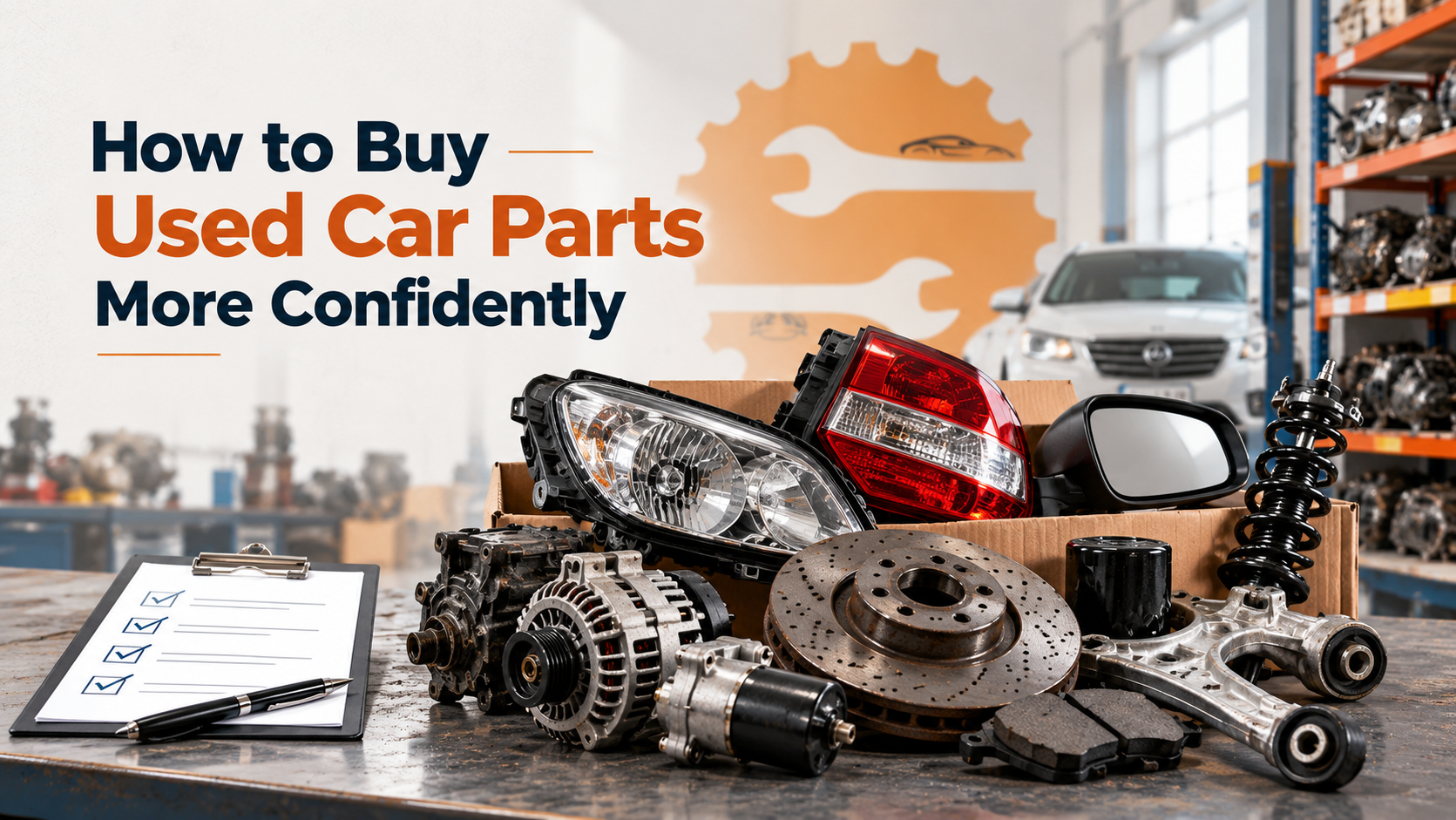
How to Buy Used Car Parts More Confidently
Before making a purchase, follow these practical checks:
- Verify Compatibility: Match the OEM number and vehicle specifications.
- Inspect the Condition: Check for cracks, corrosion, excessive wear, and damage.
- Ask About Testing: Understand whether the component has been functionally tested.
- Check Seller Credentials: Choose a supplier with transparent sourcing and clear business details.
- Understand the Warranty: Review return, replacement, and warranty conditions.
- Consult a Mechanic: Get professional advice for technical or safety-critical components.
What Makes Used OEM Parts a Practical Choice?
Used OEM parts offer several advantages when selected carefully:
- Original Specifications: OEM components are designed for specific vehicle models.
- Cost-Effective Repairs: They can offer a more affordable alternative to brand-new replacements.
- Availability for Older Models: Used parts may help when certain new components are difficult to source.
- Reduced Material Waste: Reusing suitable components helps extend their useful life.
- Vehicle-Specific Compatibility: Matching part numbers helps identify appropriate replacements.
Used OEM Parts vs. Aftermarket Parts: What’s the Difference?
Understanding the difference helps car owners make informed purchasing decisions.
| Used OEM Parts | Aftermarket Parts |
|---|---|
| Originally manufactured for the vehicle brand | Manufactured by third-party companies |
| Previously used components | Generally sold as new components |
| Original manufacturer specifications | Specifications vary by manufacturer |
| Condition depends on previous usage | Quality depends on the aftermarket brand |
Both options have their place. The right choice depends on your vehicle, budget, compatibility requirements, and component condition.
Common Mistakes to Avoid When Buying Used Car Parts
Even a suitable-looking component may not be the right replacement. Avoid these common mistakes:
- Ignoring Part Numbers: Similar-looking parts may have different specifications.
- Choosing Only by Price: The cheapest option may not offer the best value.
- Skipping Inspection: Always understand the component’s condition.
- Overlooking Compatibility: Check the vehicle’s exact model and variant.
- Ignoring Warranty Terms: Clarify return and replacement conditions before purchasing.
Frequently Asked Questions
Q1. Are used car parts worth buying?
Yes, suitable used car parts can help reduce repair expenses. Their value depends on condition, compatibility, inspection, and the seller’s reliability.
Q2. How can I verify genuine used OEM parts?
Check the manufacturer’s part number, markings, component details, and compatibility with your vehicle. Ask the seller for supporting information where available.
Q3. Which car parts are generally suitable for reuse?
Depending on their condition, components such as body panels, mirrors, doors, selected engine components, alternators, and starter motors may be suitable for reuse after inspection.
Q4. Should I buy used electronic car parts?
Electronic components may be reusable, but compatibility, programming requirements, diagnostic testing, and previous fault history should be checked before purchasing.
Q5. Are used car parts cheaper than new ones?
They are often more affordable, although prices vary depending on availability, brand, condition, demand, and warranty coverage.
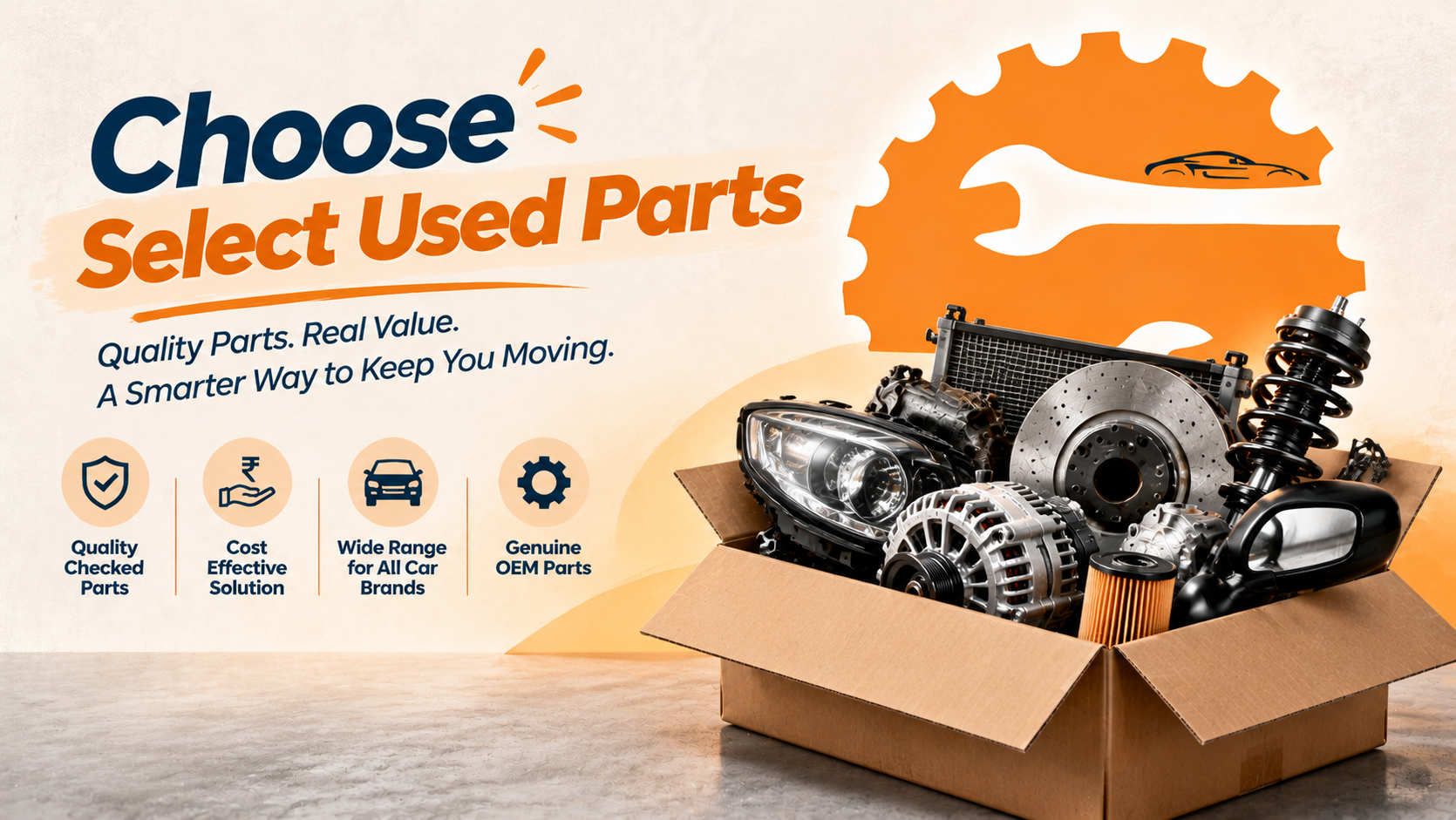
Why Choose Select Used Parts?
Finding the right replacement component requires more than searching by price. Buyers need accurate part identification, suitable options, and clear information before making a decision.
At Select Used Parts, we focus on helping customers find used OEM automotive components according to their vehicle requirements. Our aim is to make the search for suitable replacement parts easier and more informed.
Whether you need a replacement body component or a mechanical part, sharing your vehicle details helps identify the appropriate option.
Final Thoughts
Choosing used car parts becomes easier when you understand the facts behind common misconceptions. Prioritise compatibility, component condition, and reliable sourcing before making a purchase.
Looking for used OEM car parts? Connect with Select Used Parts to find suitable replacement components for your vehicle.