

How ADAS Is Transforming Safety in Modern Cars
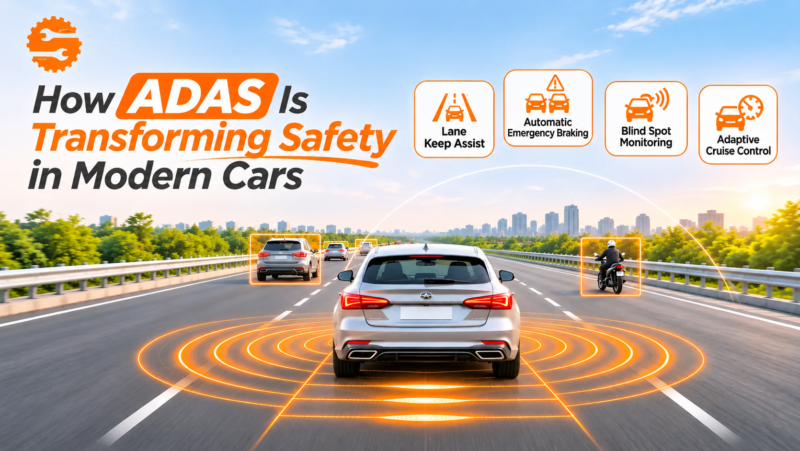
Modern cars are becoming increasingly advanced with technologies designed to improve road safety, driving comfort and vehicle performance. Features such as automatic emergency braking, lane-keeping assistance and adaptive cruise control are changing how drivers interact with their vehicles. These technologies are part of Advanced Driver Assistance Systems (ADAS), which use cameras, radar sensors and electronic control units to monitor driving conditions and help prevent potential accidents.
As more manufacturers introduce ADAS in their vehicles, understanding these systems is becoming important for car owners. Knowing how these technologies work, which components support them and why proper maintenance matters can help drivers make informed decisions about vehicle safety and repairs.
What Is ADAS Technology in Cars?
Advanced Driver Assistance Systems (ADAS) are electronic safety technologies designed to assist drivers and improve vehicle safety. These systems use cameras, radar, ultrasonic sensors and specialised software to monitor the vehicle’s surroundings.
Unlike traditional safety features such as airbags and seatbelts, which primarily protect occupants during an accident, ADAS focuses on identifying potential hazards and helping drivers respond before a collision occurs.
Depending on the vehicle model and available features, ADAS can provide visual or audio warnings, assist with steering or automatically apply the brakes in certain situations.
These technologies are becoming increasingly common in modern passenger cars and SUVs, making driving assistance an important part of automotive safety.
How Does ADAS Work in Modern Vehicles?
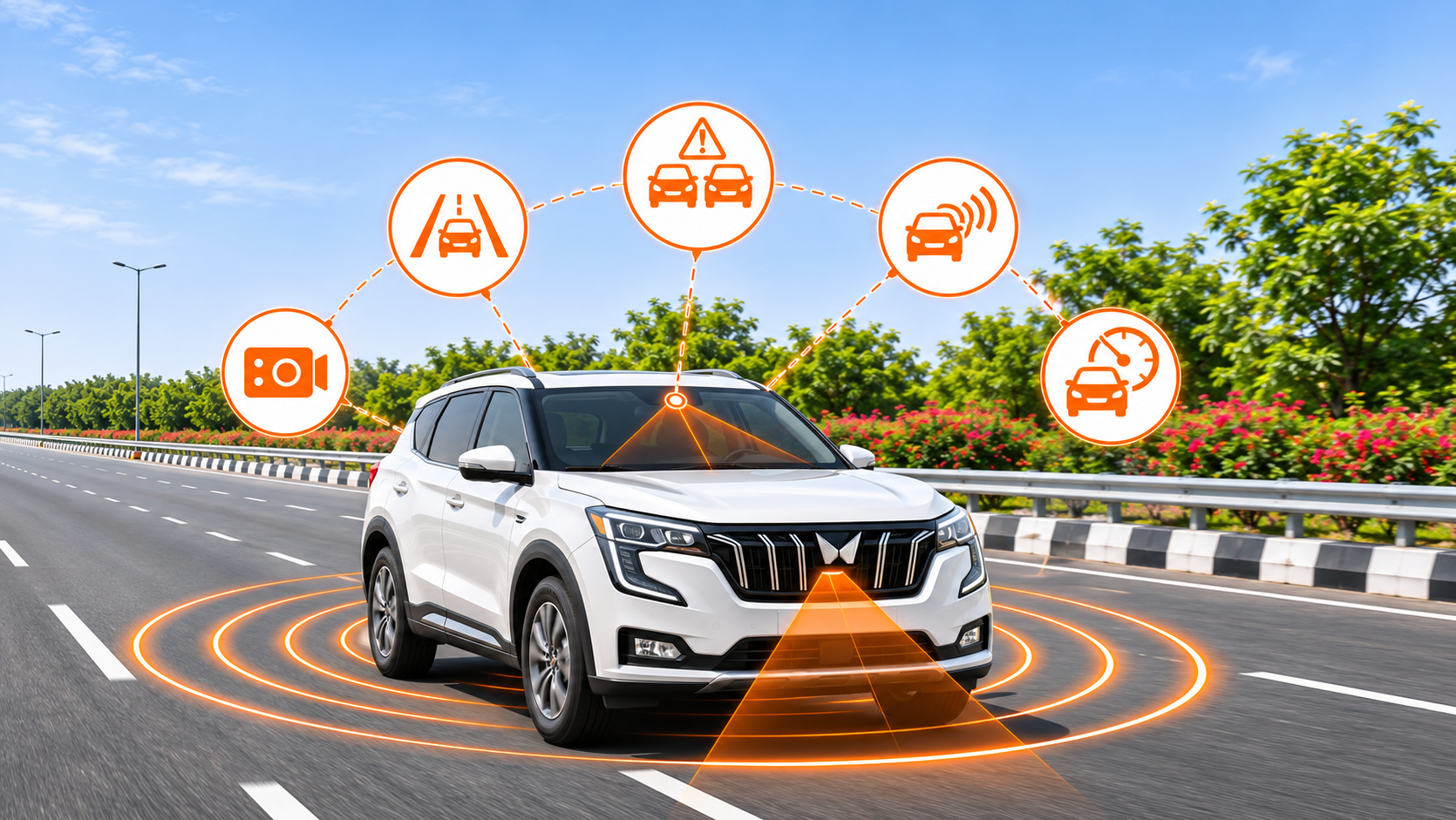
ADAS works through multiple electronic components that collect and process information about the vehicle’s surroundings. These components communicate with the vehicle’s control systems to identify potential risks and determine whether driver assistance is required.
Some of the major components involved include:
- Cameras: Usually installed near the windshield, cameras identify lane markings, traffic signs, pedestrians and nearby vehicles.
- Radar Sensors: These sensors measure the distance and relative speed of surrounding objects, helping systems maintain safe following distances.
- Ultrasonic Sensors: Commonly used during parking, these sensors detect nearby objects and obstacles.
- Electronic Control Units (ECUs): These modules process information received from different sensors and coordinate vehicle assistance functions.
- LiDAR Sensors: Used in certain advanced systems, LiDAR uses laser technology to measure distances and create detailed information about the surrounding environment.
These components work together to support different safety functions.
For example, when a vehicle approaches another vehicle too quickly, the forward collision warning system may alert the driver. If the vehicle has automatic emergency braking, it may also apply the brakes when intervention is necessary.
Important ADAS Features Found in Modern Cars
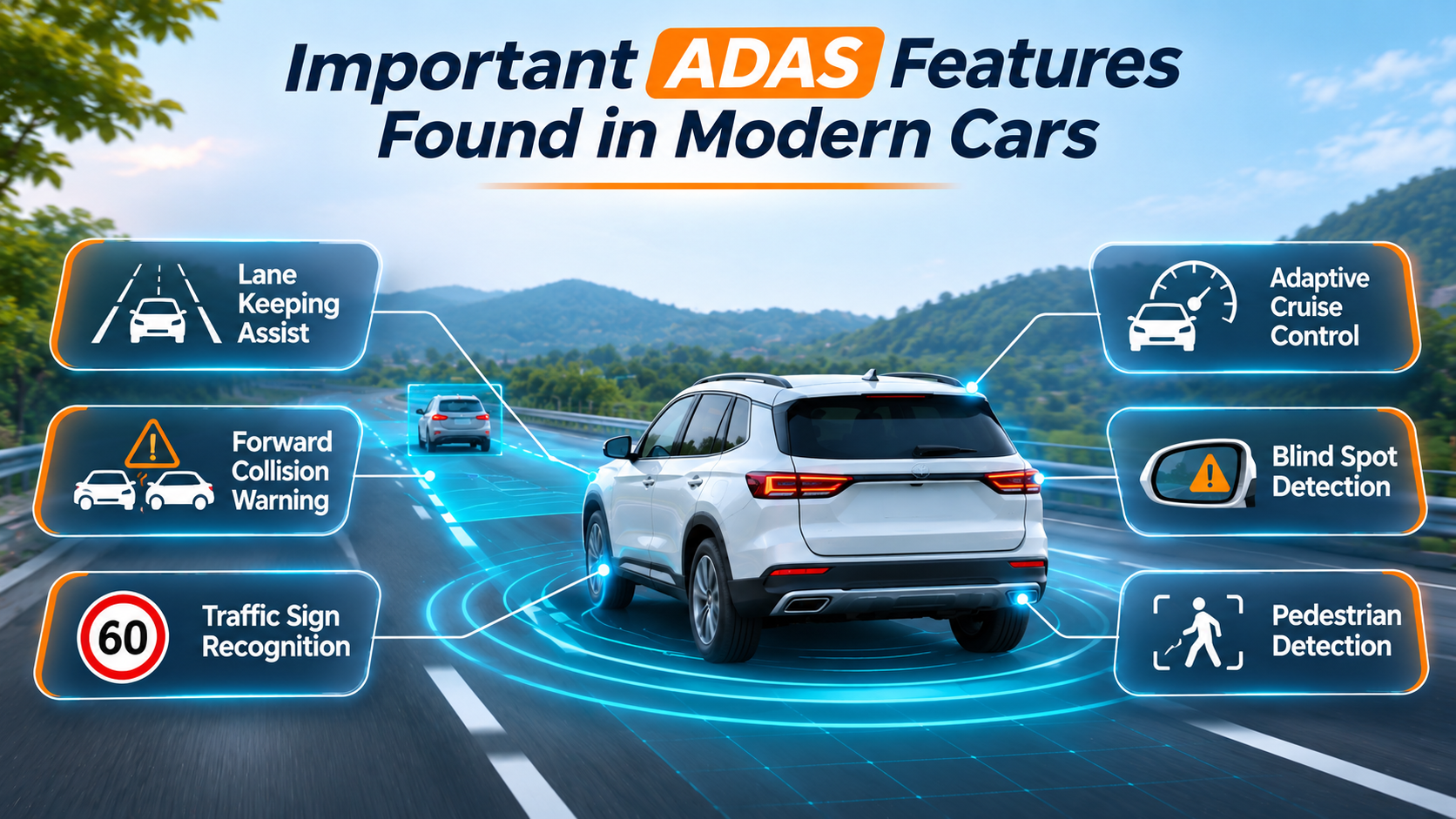
Different vehicles offer different levels of driver assistance. Some systems provide warnings, while others can actively support braking or steering.
Automatic Emergency Braking (AEB)
Automatic Emergency Braking detects potential collisions with vehicles, pedestrians or other detected obstacles. If the driver does not respond to a warning in time, the system may automatically apply the brakes to reduce collision severity or help avoid an impact.
Lane Departure Warning (LDW)
Lane Departure Warning uses forward-facing cameras to monitor road markings. If the vehicle unintentionally moves outside its lane without indicating, the system alerts the driver through visual, audio or steering-wheel vibrations.
Adaptive Cruise Control (ACC)
Adaptive Cruise Control automatically adjusts vehicle speed to maintain a selected following distance from the vehicle ahead. Unlike conventional cruise control, it can slow down or accelerate according to changing traffic conditions within its operating limits.
Blind Spot Monitoring (BSM)
Blind Spot Monitoring uses sensors to detect vehicles travelling in areas that are difficult to see through regular side mirrors. It provides alerts when another vehicle is detected in the driver’s blind spot.
Lane Keeping Assist (LKA)
Lane Keeping Assist provides steering support when the vehicle unintentionally moves away from its detected lane. Depending on the system, it may gently correct the steering direction to help keep the vehicle within lane markings.
Forward Collision Warning (FCW)
Forward Collision Warning monitors the distance and closing speed between the vehicle and objects ahead. If the system identifies a possible collision risk, it alerts the driver so that corrective action can be taken.
How Does ADAS Improve Road Safety?
Human errors, distracted driving, delayed reactions and poor visibility can contribute to road accidents. ADAS technology helps address some of these risks by continuously monitoring the driving environment.
Its major safety benefits include:
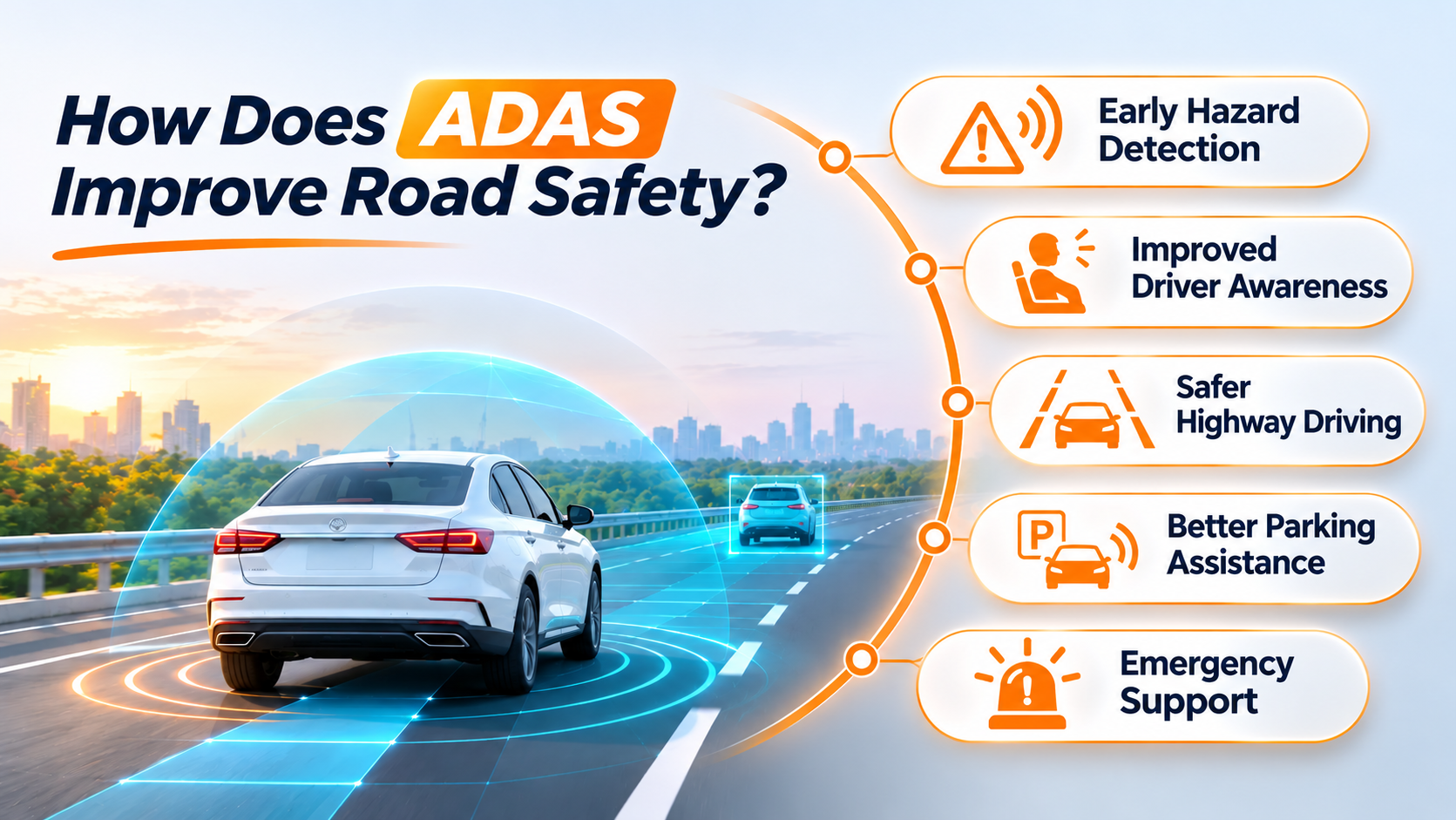
- Early Hazard Detection: Cameras and radar sensors can identify potential collision risks and provide warnings to drivers.
- Improved Driver Awareness: Blind spot monitoring and collision alerts help drivers identify hazards they may otherwise overlook.
- Safer Highway Driving: Adaptive cruise control and lane assistance can support drivers during longer journeys.
- Better Parking Assistance: Parking sensors and cameras help identify nearby obstacles in restricted spaces.
- Emergency Support: Automatic emergency braking can respond when a driver fails to react within the system’s operating conditions.
However, ADAS cannot eliminate all driving risks. Its effectiveness depends on the vehicle’s technology, road conditions, sensor accuracy and driver behaviour. Drivers must always remain attentive and maintain control of their vehicles.
Why Proper Maintenance of ADAS Components Matters
Modern vehicles depend on several interconnected electronic and mechanical components. A problem with a camera, radar sensor or control module can affect the performance of specific driver assistance features.
For example, a damaged front bumper may affect a radar sensor installed behind it. Similarly, replacing a windshield containing a forward-facing camera may require recalibration to ensure accurate readings.
Some important maintenance considerations include:
- Sensor Inspection: Check cameras and radar sensor areas for dirt, physical damage or obstruction.
- Camera Alignment: Ensure windshield-mounted cameras are correctly positioned after windshield replacement or related repairs.
- ADAS Calibration: Follow the vehicle manufacturer’s calibration procedure whenever a repair or replacement affects sensor positioning.
- Electronic Diagnostics: Use suitable diagnostic equipment to identify system faults and warning messages.
- Component Compatibility: Replacement components must match the vehicle’s make, model, variant and manufacturer specifications.
ADAS calibration is particularly important because a sensor may appear physically intact but still provide inaccurate information if its alignment is incorrect. Vehicle manufacturers specify when calibration is required and whether static or dynamic calibration should be performed.
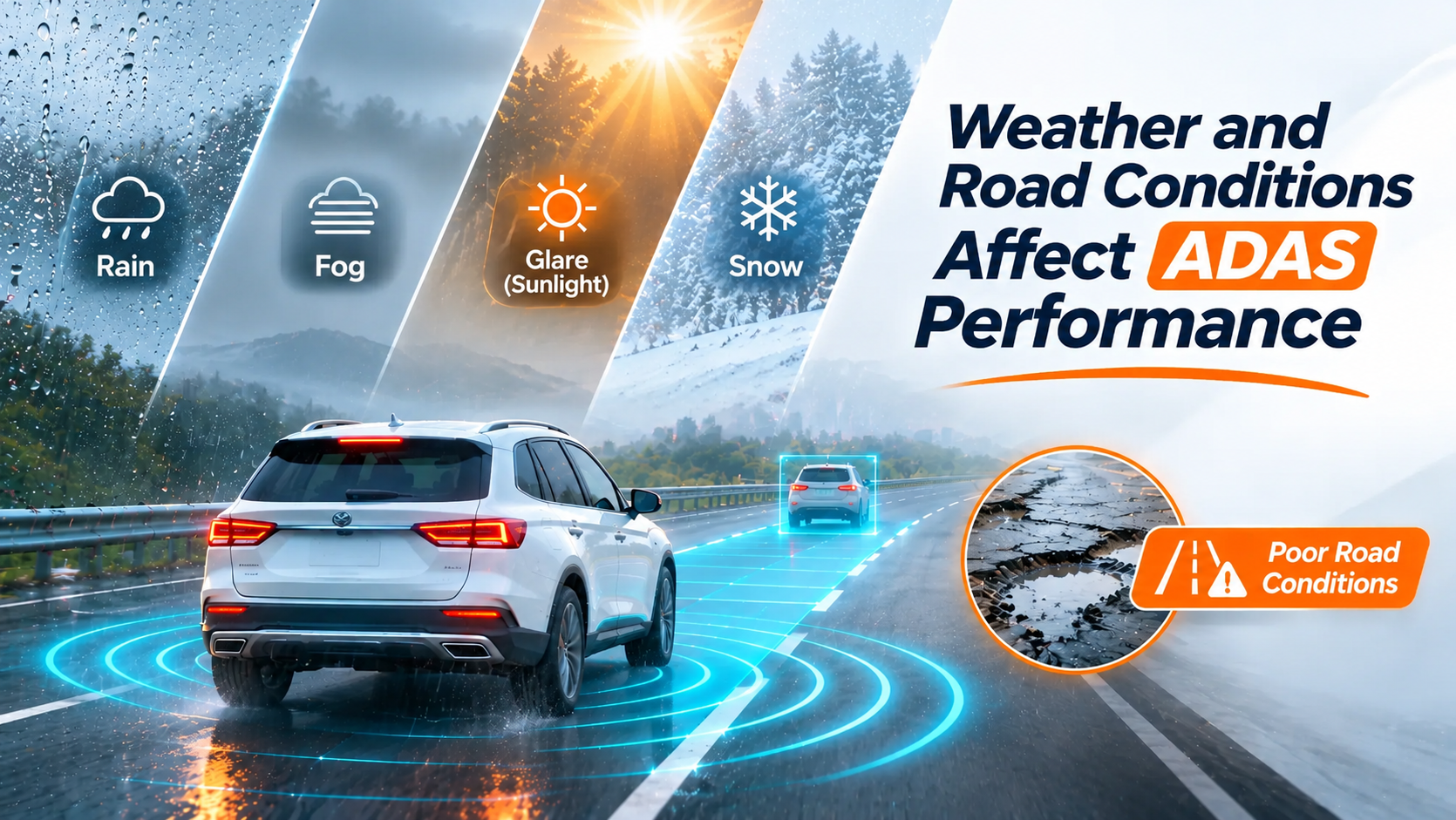
Can Weather and Road Conditions Affect ADAS Performance?
Yes. Although ADAS systems are designed to assist drivers in different situations, their performance can be affected by environmental and road conditions.
Some common factors include:
- Heavy Rain and Fog: Reduced visibility can affect how cameras identify lane markings, vehicles and pedestrians.
- Dust and Dirt: Dirty camera lenses or covered radar sensor areas can interfere with object detection.
- Poor Road Markings: Faded or unclear lane markings may affect lane departure warnings and lane-keeping assistance.
- Direct Sunlight: Strong sunlight or glare can sometimes affect camera visibility.
- Uneven Roads: Sharp curves, steep slopes and rough road surfaces may influence certain assistance functions.
Drivers should understand the operating limitations mentioned in their vehicle owner’s manual. ADAS features should never be treated as a replacement for careful driving or proper road awareness.
Modern Car Safety Features and the Importance of Compatible OEM Used Parts
Modern vehicles rely on advanced electronic systems and specialised components, making compatibility an important factor during repairs. OEM used parts can be a practical replacement option when their condition and specifications are properly verified.
- Original Specifications: OEM parts are manufactured according to the vehicle manufacturer’s specifications.
- Better Compatibility: Matching OEM part numbers helps identify components suitable for a particular make and model.
- Cost-Effective Alternative: Quality-checked used OEM parts can help manage replacement costs compared with buying new components.
- Wide Component Options: From ECUs and electrical fittings to engines, gearboxes, brakes and suspension parts, several components may be available as used OEM alternatives.
For car owners looking for quality used OEM car parts, Select Used Parts offers a range of replacement components, including engines, gearboxes, electrical parts, brakes, suspension components and body parts, making it easier to find suitable parts for different vehicle requirements.
Before purchasing, always verify the part number, vehicle compatibility and component condition. ADAS-related components may also require professional inspection, programming and manufacturer-recommended calibration.
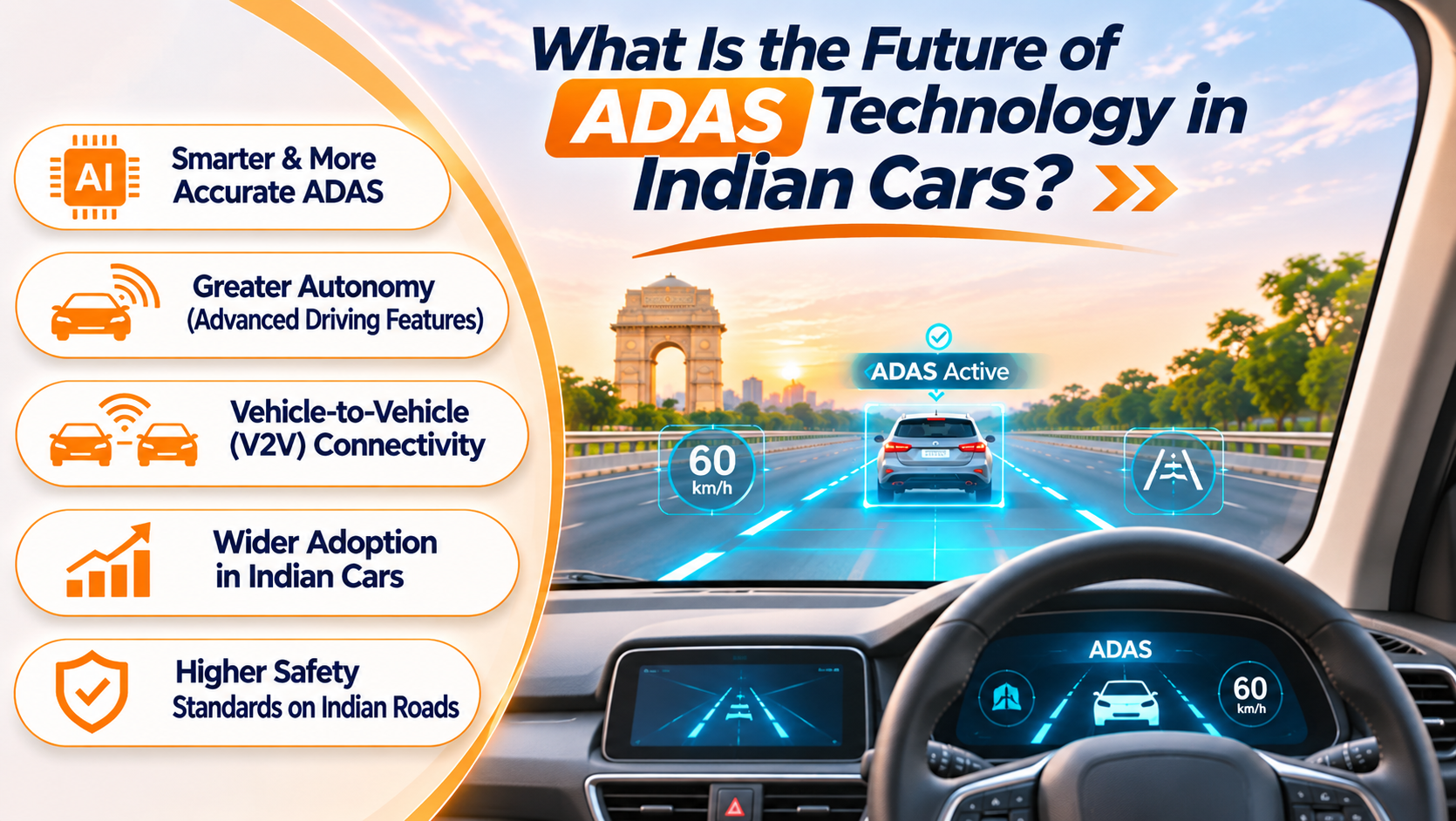
What Is the Future of ADAS Technology in Indian Cars?
ADAS technology is gradually gaining attention in the Indian automobile market as manufacturers introduce more advanced safety features across different vehicle segments.
Developments in artificial intelligence, automotive sensors, and connected vehicle technology are expected to make driver assistance systems more sophisticated. Improved object detection, smarter collision warnings and better driver monitoring are some areas shaping the future of automotive safety.
As these technologies become more common, the demand for compatible automotive electronic components and specialised maintenance is also likely to grow.
Car owners will need to pay greater attention to component compatibility, professional diagnostics and proper installation when repairing modern vehicles.
Understanding these developments can help vehicle owners prepare for the changing requirements of modern car maintenance.
Frequently Asked Questions (FAQs)
1. What Is ADAS Technology in Cars?
ADAS is a vehicle safety technology that uses cameras and sensors to help drivers detect hazards and avoid potential accidents.
2. What Are the Main Features of ADAS?
Common features include automatic emergency braking, lane departure warning, adaptive cruise control and blind spot monitoring.
3. How Does ADAS Technology Work?
ADAS uses cameras, radar sensors and electronic control units to monitor surroundings and assist drivers.
4. Can ADAS Prevent Road Accidents?
ADAS helps reduce collision risks by detecting hazards and providing timely warnings or automatic assistance.
5. Does ADAS Require Regular Maintenance?
Yes, cameras, sensors and control modules need proper inspection and calibration when required.
6. Can Windshield Replacement Affect ADAS?
Yes, replacing a windshield may require recalibration of the front-facing ADAS camera.
7. Are OEM Used Parts Suitable for Modern Cars?
Yes, compatible OEM used parts can be suitable replacements when their condition and specifications are properly verified.
8. Why Is Part Compatibility Important in ADAS Vehicles?
Compatible components help maintain the proper functioning of electronic safety systems.
Conclusion
ADAS technology is changing modern vehicle safety by combining cameras, radar sensors, electronic control units and intelligent software. Features such as automatic emergency braking, lane-keeping assistance and blind spot monitoring help drivers identify potential hazards and respond more effectively.
However, these systems also require proper maintenance, compatible replacement components, and manufacturer-recommended calibration. As modern vehicles become increasingly dependent on electronic systems, understanding their components is essential for responsible vehicle ownership.
Choosing suitable OEM used parts, verifying compatibility, and following proper installation procedures can help car owners make informed repair decisions while managing replacement costs.
Modern vehicle safety depends not only on advanced technology but also on maintaining the components that keep these systems working correctly.